Preserved Lemons: A Beginner's Guide to Salt-Curing and Using Them
October 30, 2026 - Lemon Recipes
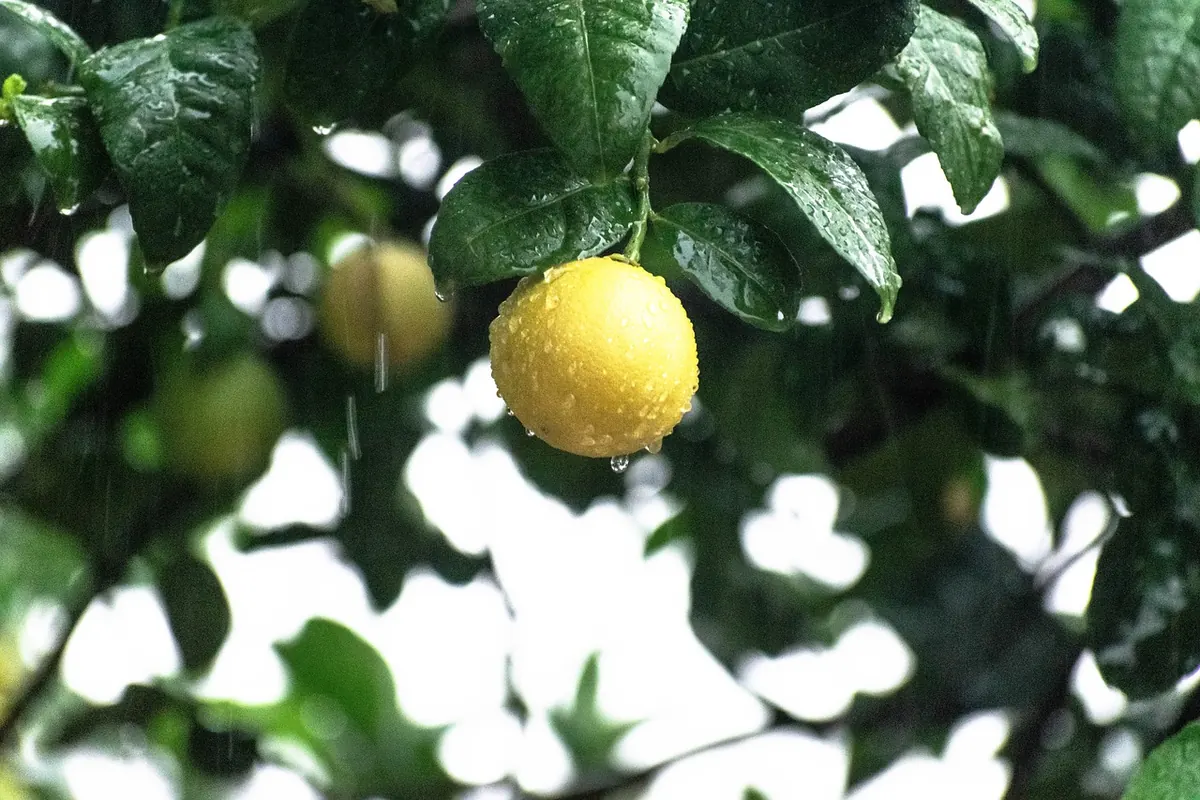
A lemon tree that looks thirsty is not always thirsty. Yellow leaves, a drooping canopy, a scattering of fallen fruit — the symptoms of drought stress and the symptoms of soggy, rotting roots overlap so much that gardeners routinely make the same mistake: they water a tree that is already sitting in wet soil. The correction is straightforward once you know which way the pendulum has swung. The clues are all there in the leaves, the soil and the fruit, and they tell a consistent story if you read them together.
Both conditions end in the same place: not enough water reaching the leaves. In a dry pot, there is simply nothing to take up. In a waterlogged one, damaged roots lose the ability to absorb what is physically there, so the tree wilts in wet soil. From above, the two look nearly identical, which is why guessing from leaf colour alone sends people in the wrong direction half the time.
The reliable approach is to compare three things at once: what the foliage is doing, what the root zone feels like, and how the fruit is behaving. Add the timeline — when the trouble started, what the weather has been doing, whether you changed your watering routine — and the picture usually resolves within a few minutes.
Leaf symptoms are the first thing we notice and the last thing we should trust on their own. Still, they carry useful detail if you look closely rather than broadly.
Drought-stressed lemon leaves tend to roll or cup lengthwise, folding slightly along the midrib, and take on a dull, greyish cast instead of a healthy gloss. The tips and edges go crisp and papery. Older leaves yellow first and drop, while the newest growth at the branch tips stalls or stops altogether. Pick up a fallen leaf and it feels dry and brittle rather than leathery. A tree in this state often looks noticeably better a few hours after a thorough soak — that recovery is one of the clearest confirmations you can get.
When roots are suffocating, yellowing often spreads between the veins and moves upward through the canopy. Leaves may drop while still soft and pliable, sometimes still partly green, and they often come away with a gentle tug. Look for dark brown or blackened tips, and check the undersides for small blistered, corky bumps — a sign of water stress at the tissue level. The most telling detail: the tree wilts even though the soil is damp. A lemon with wet roots and a drooping canopy is not asking for more water.
This is where the diagnosis gets settled. Work through these checks in order and trust what you find more than what the calendar says.
For trees in the ground, dig a small hole 15–20 cm deep at the edge of the canopy and feel the soil there. A crusty surface above wet soil at depth is common, and it is not a reason to water.
Fruit behaviour separates the two conditions more cleanly than foliage does. An underwatered lemon tree holds small, hard fruit that seems to stop developing, and it often sheds young fruitlets during dry spells; any fruit that ripens tends to be dry inside and slow to size up. An overwatered tree is more likely to drop green fruit in quantity, and the fruit it keeps can be soft, bland and watery. Splitting fruit often follows a heavy watering after a long dry period, so it points to erratic swings rather than a steady excess.
Both problems cause fruit drop, which is why timing matters. If fruit falls after a hot, dry fortnight, suspect thirst. If it falls after days of rain or a generous watering schedule, look at drainage first.
For a thirsty tree, water deeply and slowly until it runs from the drainage holes, then wait. A bone-dry pot can resist absorbing water, so apply half the volume, wait fifteen minutes, then apply the rest. Add a layer of mulch in containers or around in-ground trees to slow evaporation, and water in the cool of the morning rather than in the heat of the afternoon.
For a waterlogged tree, stop watering immediately and let the top few centimetres dry before you even think about the next round. Empty the saucer, raise the pot on feet so air can move underneath, and check that the drainage holes are not blocked by compacted soil or roots. If the soil smells sour or the roots are mushy, repot into fresh, freely draining citrus mix, trimming away rotten roots with clean secateurs and setting the tree into a pot only slightly larger than the root ball. Then leave it alone — overwatered lemons are usually killed by kindness in the weeks after diagnosis.
Five minutes a week is enough to keep a lemon tree out of trouble. Push a finger into the soil, lift the pot to feel its weight, glance at the newest leaves and the underside of a few older ones, and look for fallen fruit. If the soil is damp below the surface, do nothing — no matter what the schedule says. If it is dry, water thoroughly and then let the top few centimetres dry out again before repeating. Deep, less frequent watering suits lemons far better than a shallow daily sprinkle, and that single habit prevents most of the confusion in this article from ever starting.
Photo: balouriarajesh / Pixabay
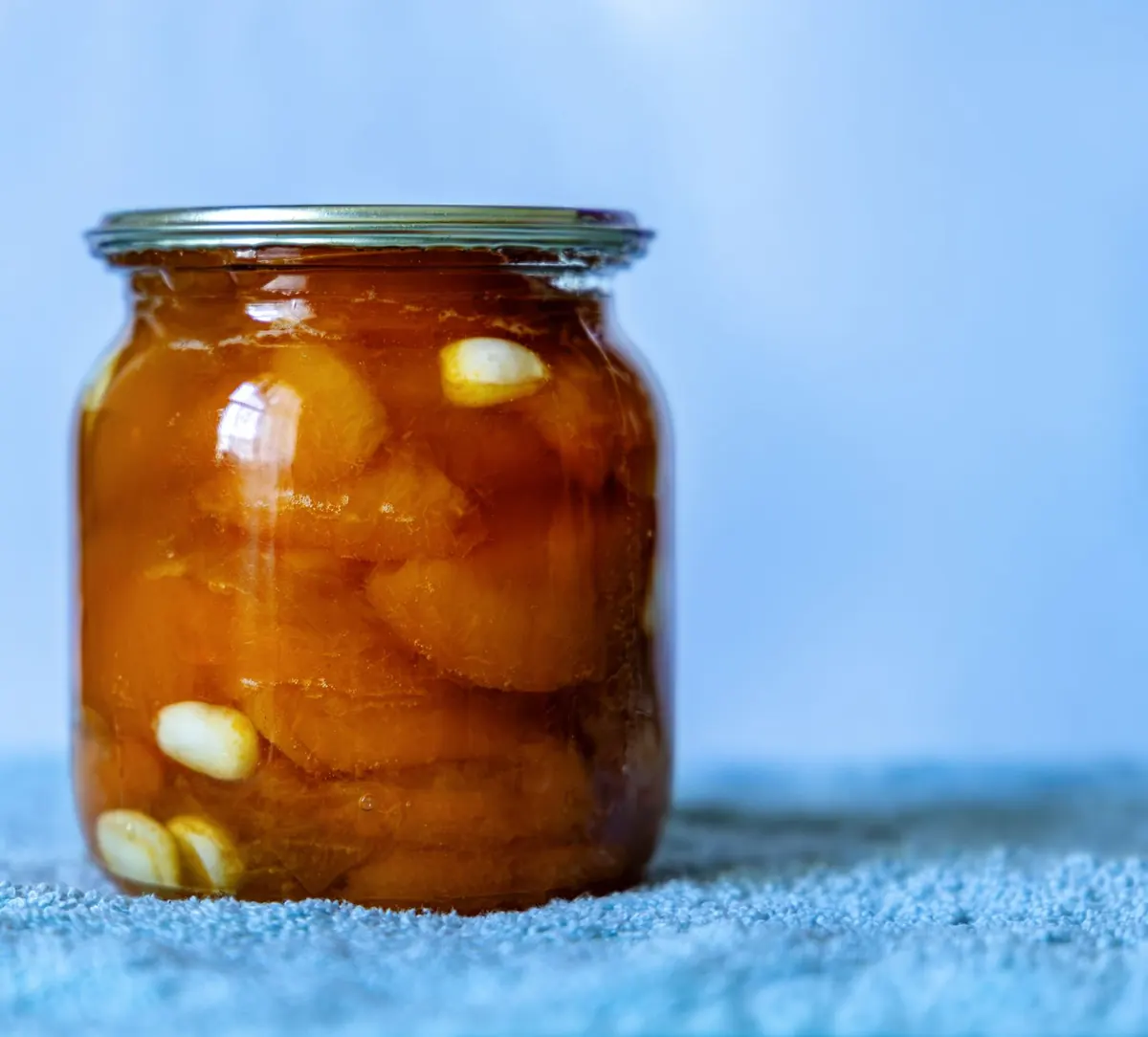
A practical guide to salt-curing lemons at home: choosing fruit, packing the jar, keeping it clean, judging when...
A clear, practical guide to making limoncello at home from lemon zest, strong alcohol and syrup, with the specific...
Copyright © 2026 Limone Del Fiume. All Right Reserved.