Preserved Lemons: A Beginner's Guide to Salt-Curing and Using Them
October 30, 2026 - Lemon Recipes

A lemon tree does not ask for much, but it does ask at the right time. Feed it in November and you waste the fertilizer; feed it in March and you feed the flush of new growth that will carry next year's blossom. Prune in a hurry during a summer heatwave and you expose the bark to sunburn. Most problems people bring to a lemon tree — pale leaves, dropped fruit, a bare interior, a sad pot-bound root ball — come down to doing the right job in the wrong month. What follows is the calendar I would hand to anyone with a lemon in a pot or in the ground: what matters now, what can wait, and what to look at before it becomes a problem.
From the moment nights stay reliably above about 10°C and you see the first pink-tinged new shoots, the tree is running. Everything you do now sets up the flowering and fruit set that follows.
Feeding comes first. Citrus are heavy feeders and they want nitrogen plus trace minerals, especially iron, magnesium and zinc. Use a citrus-specific fertilizer and follow the label rather than guessing; a slow-release granular feed in early spring, topped up with a liquid feed through the growing season, is a reliable pattern for pots. If leaves are yellow between green veins, that is usually a magnesium or iron shortfall, not a lack of general food — check your soil pH before adding more of anything, since lemons prefer slightly acid soil around pH 6 to 6.5 and lock up nutrients when it drifts.
Pruning happens now, before the growth flush. Take out dead wood, crossing branches, and the vigorous upright suckers that sprout from below the graft union. Open the centre a little so light reaches the interior, but do not strip it bare.
Summer is about consistency. A lemon in a pot can dry out in a day of wind and heat, and the tree's response to stress is to drop its young fruit. Water deeply until it runs from the drainage holes, then let the top few centimetres dry before watering again. Little and often is the worst of both worlds: the surface stays wet, the deeper roots stay dry, and the fruit drops anyway.
In very hot climates, a pot shifted to afternoon shade for the worst weeks saves both water and sunburned bark. If the tree is in the ground, a thick mulch of bark or compost keeps the root zone cool. Do not fertilize heavily into dry soil — water first, then feed.
Pest checks matter most now. Turn a few leaves over every week: sticky residue and small brown bumps mean scale, fine webbing in dry heat means spider mites, curling new leaves mean aphids. A strong jet of water, a little horticultural soap, and healthy predators in the garden handle most early infestations. Thinning a heavy crop of small fruit in midsummer is worth the heartache — the lemons left behind grow larger and the tree is less exhausted.
Autumn is a gentle winding down. Lemons ripen slowly and many varieties hold well on the tree for months, so pick as you need rather than stripping the branches. Fruit that is fully coloured and slightly soft in the hand is ready; leave the rest.
Reduce nitrogen from late summer onward and stop altogether by mid-autumn, or you will push tender new growth just as cold nights arrive. Keep watering, but less often as temperatures fall and evaporation slows. This is also the moment to clear fallen leaves and fruit from the base of the tree, because fallen debris is where fungal problems and overwintering pests take hold.
If your winters dip below about -2°C to -3°C, make your cold plan now, not in December: a frost blanket, a frame, a wall that stores heat, or a spot to move the pot. Check the forecast for the first frost and have the cover within reach.
Cold is the real test for lemons, which are the least hardy of the common citrus. The goal in winter is simple: keep the tree alive and unstressed, not to make it grow.
A tree that drops some leaves indoors in winter is usually reacting to low light and dry air rather than dying. Keep it steady, resist the urge to compensate with extra water, and it will push back in spring.
Some jobs do not belong to a month. Look at the underside of leaves whenever you pass the tree; pest problems are far easier to handle small. Lift the pot and look at the drainage holes occasionally. Push a finger into the soil before you water, every time. And keep a rough note of what you fed and when, because memory is a poor record and repeating a mistake for three seasons is how a lemon ends up pale and sulking.
You do not need to do all of this perfectly. If you only manage three things, make them these: feed in spring, water deeply and less often, and protect the tree from frost. Those three cover most of what a lemon needs to stay productive, and the rest of the calendar is refinement. Watch your own tree more closely than any checklist — its leaves will tell you what the season is asking for, long before the fruit does.
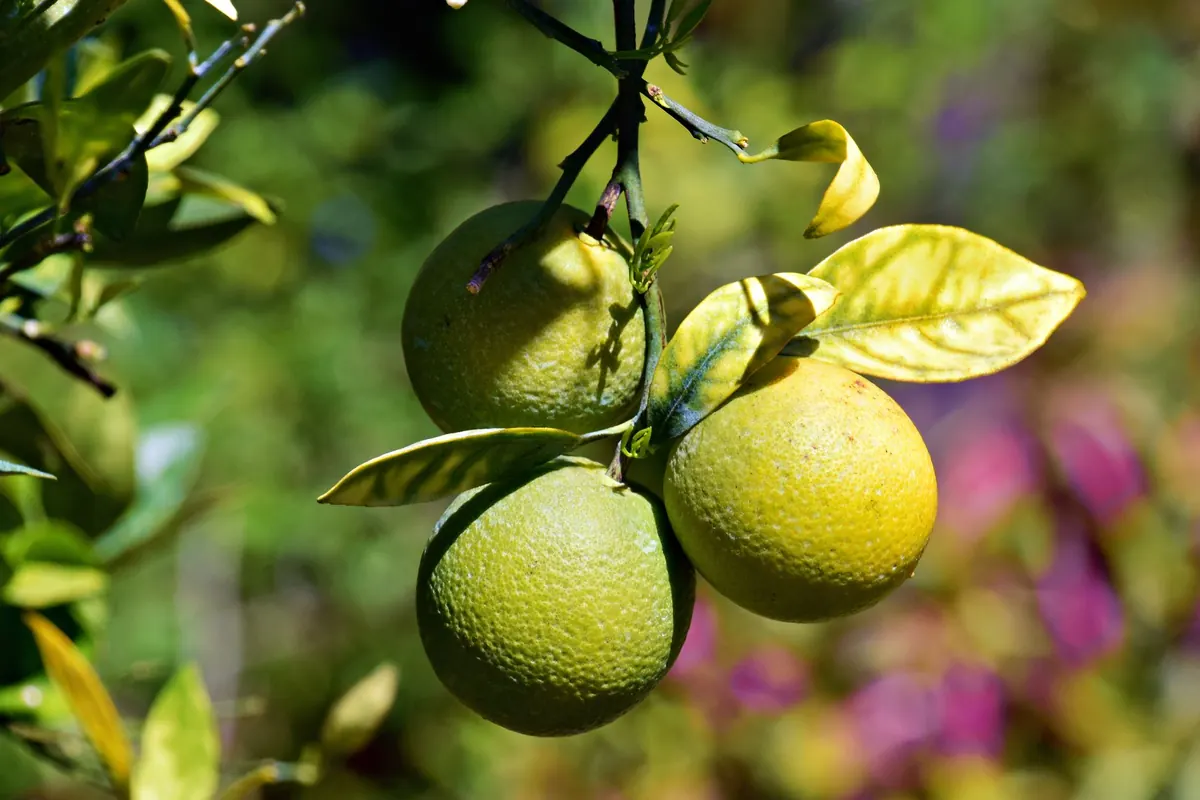
Photo: wal_172619 / Pixabay
A practical guide to salt-curing lemons at home: choosing fruit, packing the jar, keeping it clean, judging when...
A clear, practical guide to making limoncello at home from lemon zest, strong alcohol and syrup, with the specific...
Copyright © 2026 Limone Del Fiume. All Right Reserved.