Preserved Lemons: A Beginner's Guide to Salt-Curing and Using Them
October 30, 2026 - Lemon Recipes
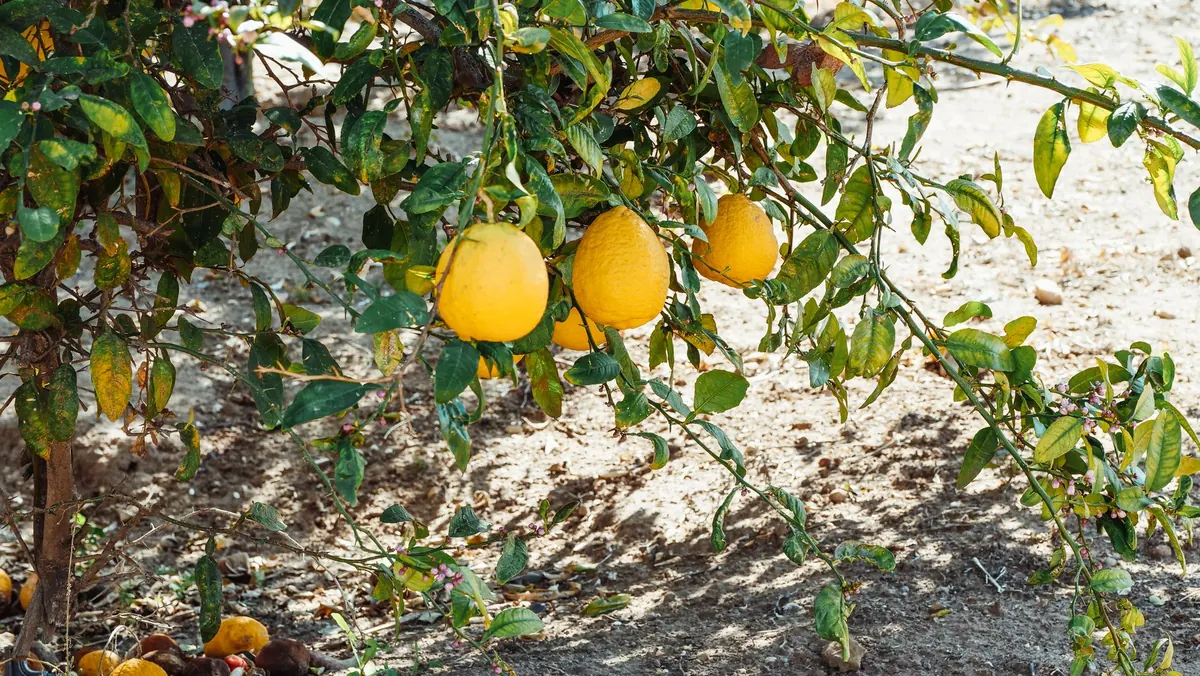
You walk out to check your lemon tree and stop at the first yellow leaf. Then you see another. Yellow leaves are the citrus equivalent of a raised hand: something is off, and the tree is asking for attention. The tricky part is that lemons can show the same colour for very different reasons. A soggy pot, a missed watering, a hungry root system, a hidden pest, and a cold draft can all produce yellow foliage. The good news is that most yellow-leaf problems are fixable once you match the pattern to the cause.
A lemon tree is not trying to be difficult. It is usually responding to something in its environment: too much water, too little water, a nutrient it cannot reach, a pest feeding on sap, or a sudden change in temperature. Before you grab fertilizer or a spray bottle, slow down and look at the whole plant. Are the oldest leaves yellowing first, or the newest ones? Is the yellow even across the leaf, or is it between the veins? Are the leaves crisp, soft, sticky, spotted, or curled? Those clues matter more than the colour alone.
Yellow leaves are a symptom, not a diagnosis. A few quick observations can save you from treating the wrong problem.
Yellow is a clue, not a verdict. The leaf’s position, texture, and pattern matter as much as the colour.
Lemons hate wet feet. A pot with a blocked drainage hole, a saucer that stays full, or a heavy potting mix can keep roots sitting in water. The roots begin to suffocate, and the first sign is often yellowing lower leaves. The soil may smell sour, the surface may stay damp for days, and leaves can drop while still looking soft and limp. In severe cases, root rot sets in and the tree declines quickly.
At the other extreme, a lemon tree that is allowed to dry out too much will also turn yellow. Leaves may look dull, curl upward, or develop crisp edges. In containers, the soil can shrink away from the sides of the pot, so water runs down the gap and never reaches the roots. A missed watering during a hot week, a windy balcony, or a root-bound pot can cause the same yellowing that overwatering does.
Water deeply until moisture runs from the drainage holes, then wait until the top layer begins to dry. If the soil has become hard and repellent, set the pot in a basin of water for twenty minutes so the root ball can rehydrate slowly. Mulch the surface to slow evaporation, and check container plants more often in summer.
Nitrogen is a mobile nutrient, which means the tree moves it from older leaves to newer growth when supplies are low. The result is a pale, uniform yellowing that starts on the oldest leaves and works its way up. Growth may be slow, new leaves may be small, and the whole tree can look tired. A lemon tree that has been in the same pot for years without feeding is a prime candidate.
Use a citrus fertilizer according to the label, and water it in well. Do not try to make up for months of neglect with one huge dose, because fertilizer burn can damage roots and cause more yellowing. Feed lightly and regularly during the growing season, and reduce feeding in winter when growth slows.
Magnesium deficiency usually appears on older leaves as yellowing between the veins, often with a green V-shaped area near the base. It is common in sandy soils, in containers, and in soil that has been heavily watered. The tree is not necessarily short of magnesium in the soil; sometimes the nutrient is present but unavailable because of pH or poor root health.
Confirm the pattern before treating. A mild Epsom salt solution can help, but it is not a cure-all. Improve the soil with compost, keep watering consistent, and use a fertilizer that includes magnesium and trace minerals. If the problem keeps returning, test the soil pH rather than adding more magnesium blindly.
Iron deficiency shows up on new growth first. The leaf turns yellow while the veins remain green, creating a fine netting effect. Lemons prefer slightly acidic soil, and when the pH is too high, iron can be present but locked away from the roots. Overwatering, cool soil, and poor drainage can make the problem worse. This is why a lemon can look hungry even after it has been fed.
Test the soil pH before you treat. If it is too alkaline, use a chelated iron product and acidify the soil gradually with compost or a citrus-safe acidifying fertilizer. Keep lime, concrete rubble, and alkaline materials away from the root zone. Do not expect old yellow leaves to turn green again; watch for healthy new growth instead.
Pests are experts at hiding. Spider mites leave fine webbing and yellow stippling on the underside of leaves. Aphids cluster on soft new growth and leave sticky honeydew. Scale insects look like small bumps along stems and leaves, and whiteflies flutter up when the plant is disturbed. All of these sap-sucking pests can drain a lemon tree’s energy and cause yellowing, leaf drop, and sooty mould.
Lemons are subtropical, and they dislike cold drafts. A tree placed near a leaky window, an air-conditioning vent, or an exposed balcony can yellow and drop leaves after a sudden chill. The damage often appears on the side facing the cold source. Indoor trees can also suffer when they are moved from a warm room to a cool porch without time to adjust.
Move the tree away from drafts and protect it when temperatures drop. Keep indoor lemons in a bright, stable spot, away from radiators and cold glass. Mulch outdoor containers to insulate roots, and bring small potted trees inside before the first frost. Avoid dramatic temperature swings whenever possible.
Roots can be damaged by repotting, root pruning, fertilizer burn, cramped pots, or construction near the root zone. When roots are injured, they cannot take up water and nutrients efficiently, so leaves yellow and drop. A lemon that was recently moved, repotted, or overfed is a common case. Sometimes the tree looks fine for a week or two before the yellowing begins.
Do not fertilize a stressed tree. Water gently, keep it in bright but indirect light, and give it time to settle. If the pot is root-bound, repot into a slightly larger container with fresh, well-draining mix. If you suspect fertilizer burn, flush the soil with plenty of water and let it drain completely. Change one thing at a time so you can see what actually helps.
When several causes seem possible, work through a simple routine rather than guessing.
Not every yellow leaf is an emergency. Lemon trees shed older leaves naturally, especially after a growth flush or when a few lower leaves are shaded out. A handful of yellow leaves at the base of an otherwise healthy tree is usually nothing to worry about. The concern rises when yellowing spreads quickly, affects new growth, comes with leaf drop, or appears alongside sticky residue, mushy soil, or dieback.
Most yellow-leaf problems come down to consistency. Water deeply but less often, use a pot with excellent drainage, and never let the tree sit in a saucer of water. Feed with a citrus fertilizer during the growing season, but do not overfeed. Keep the tree in bright light, protect it from cold drafts, and inspect the undersides of leaves every week or two. A little attention now is far easier than rescuing a stressed lemon later.
Start with the simplest explanation first: check the soil, look at the leaf pattern, and inspect for pests. A lemon tree that receives steady care, clean drainage, and the right light can recover from yellow leaves and push out fresh green growth again. The yellow leaf is not a failure; it is a message. Read it carefully, fix the cause, and give the tree time to answer.
Photo: Kindel Media / Pexels
A practical guide to salt-curing lemons at home: choosing fruit, packing the jar, keeping it clean, judging when...
A clear, practical guide to making limoncello at home from lemon zest, strong alcohol and syrup, with the specific...
Copyright © 2026 Limone Del Fiume. All Right Reserved.