Preserved Lemons: A Beginner's Guide to Salt-Curing and Using Them
October 30, 2026 - Lemon Recipes

A lemon tree answers a sharp saw with a year of sulking. Cut too hard, or at the wrong moment, and you get a handsome shape with almost no fruit — all leafy new growth where flowers should have been. The trick is to know which wood carries the next crop, then prune around it instead of through it. Once you can tell a fruiting shoot from a water sprout, pruning stops feeling like a gamble and starts feeling like tidying up.
Lemons don't behave like apples. A good share of the crop forms on short shoots and branch tips grown the season before, and in mild climates the tree flowers in waves from spring into early summer on wood of several different ages. Which means one thing matters more than any other: this year's new growth is next year's flowering frame.
That single fact settles most pruning arguments. Any cut that removes healthy young outer growth removes flower buds with it. Any cut that takes out crowded, dead or inward-growing wood pushes energy into the branches that remain — better light, better airflow, easier picking, more fruit.
It also explains why a hard chop gives the opposite of what people expect. The tree responds with a burst of long, soft, upright shoots that burn through stored energy and rarely carry fruit for at least a year. Heavy pruning can cost you two seasons, not one.
In most Mediterranean gardens the best window is late winter into early spring: after the main crop has been picked and before the strongest flush of flowers. In practice that usually means late February to early April, depending on how cold your site gets. Wait until the risk of hard frost has passed — a fresh cut is more cold-sensitive than an untouched branch.
Avoid serious work in late summer and autumn. That is precisely when the tree is ripening the wood it will flower on next spring, and cutting it back hard costs you the crop.
If your tree fruits year-round, as many lemons in mild coastal gardens do, choose the quiet moment after your biggest harvest instead of a date on the calendar. Light corrective cuts — a dead twig, a broken limb, a shoot heading into a path — can be made almost any time. Save the shaping for spring.
Stand back and look at the whole tree first. Then walk the canopy with your hand on the branches and work through this list in order:
Work through that list before anything else. More often than not, half the shaping is finished and you've barely removed any leafy outer wood. Only then should you think about the outline of the tree.
There are two kinds of cut and they produce very different responses.
A thinning cut removes a whole branch at its point of origin — back to the trunk or to a well-placed side limb. It lets light into the middle and lowers the crown without triggering an explosion of regrowth. This is your default, for almost every cut you make.
A heading cut takes the end off a branch in mid-length. The buds just below the cut wake up and push several strong shoots at once. On a young tree you can use this deliberately to build a balanced framework. On a mature tree, heading cuts around the outside of the canopy create a thicket of upright growth that takes years to undo.
Make each cut just outside the branch collar — the slight swelling where the branch meets its parent. Cutting flush into the trunk removes the tree's own sealing tissue. Leaving a long stub gives it dead wood to wall off. A clean, slightly angled cut just outside the collar heals fastest. Keep blades sharp, and wipe them with methylated spirits between trees if you've been working on a sick one. Skip wound paint; it doesn't help.
Restraint is the skill that separates a good lemon pruner from a busy one.
A lemon that has been left alone for a decade is not a one-day job. If you take it down to a sensible height in a single spring, you'll get a thicket of upright growth and very little fruit for two years.
Instead, choose two or three of the worst limbs each year — the ones crowding the centre, or the tallest ones you can't reach — and remove them completely at the trunk. Leave the rest to fruit. Over three springs the tree comes down to a workable size while it keeps cropping the whole time. Expect vigorous regrowth from the cuts; rub off unwanted shoots while they are still small enough to snap with a thumb.
For a young tree, do the opposite: almost nothing for the first two or three years beyond choosing three or four well-spaced branches at a wide angle and pinching out anything that competes with them. Structure now, fruit later.
A lemon that finishes the day looking slightly under-pruned is usually the one carrying next year's crop. When in doubt, take one branch and think about it overnight. The tree will still be there in the morning, and you can't glue a branch back on.
Photo: Boryslav Shoot / Pexels
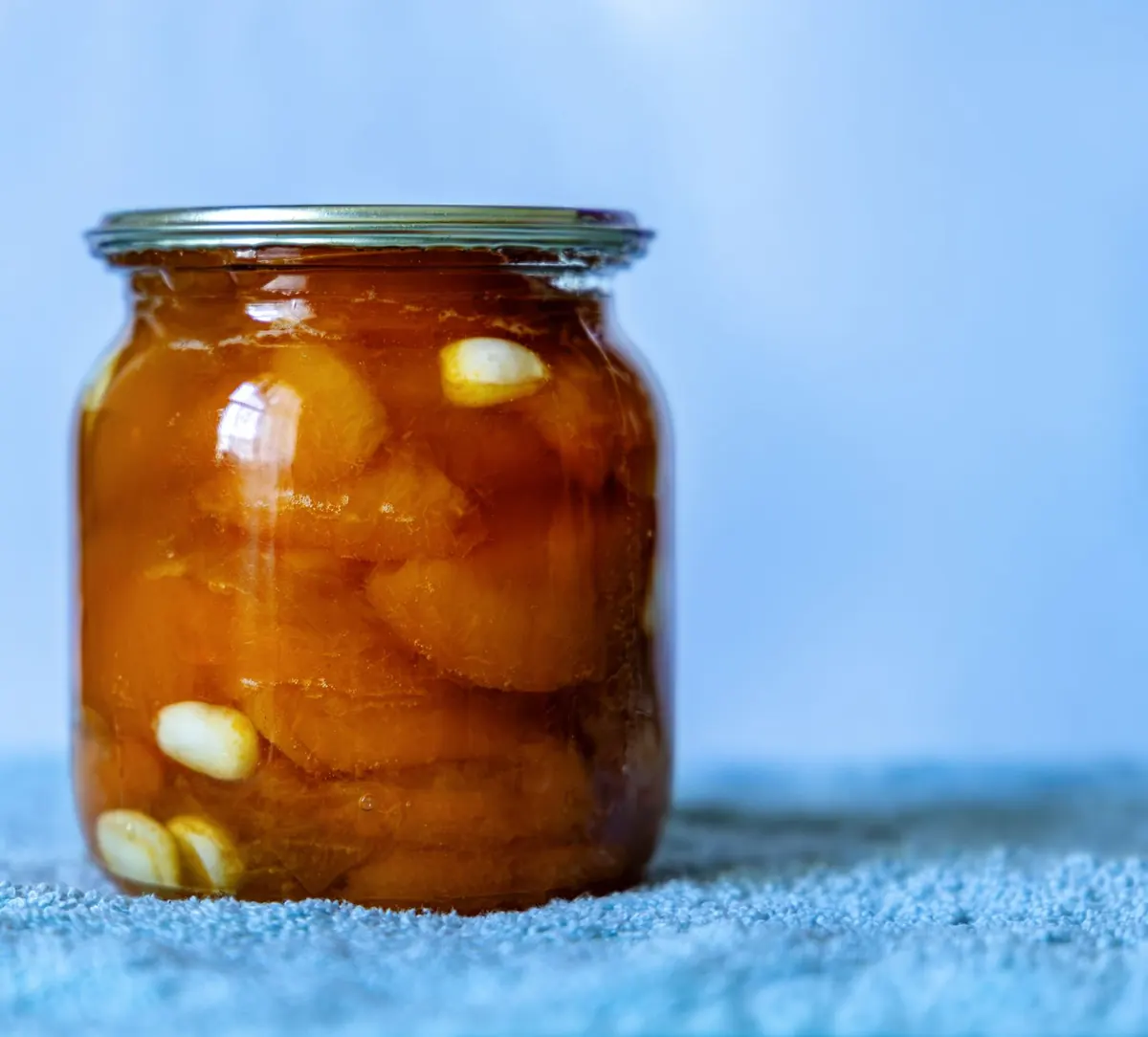
A practical guide to salt-curing lemons at home: choosing fruit, packing the jar, keeping it clean, judging when...

A clear, practical guide to making limoncello at home from lemon zest, strong alcohol and syrup, with the specific...
Copyright © 2026 Limone Del Fiume. All Right Reserved.